
Pet food delivery logistics become more complex as subscription volumes grow.
Missed delivery windows, rising transportation costs, and inconsistent routes quickly impact customer trust and long-term retention.
Reliable growth for pet food brands operating on subscription models depends on logistics systems built for recurring, high-volume operations. As order density increases, smarter route optimization and centralized fleet management become essential to maintaining consistency.
Pet food delivery introduces unique operational pressures. Orders are often heavy, bulky, and delivered on fixed schedules. Without structured planning, manual routing and fragmented visibility create inefficiencies across last-mile logistics.
When fleet management systems are not in place, delivery teams face rising mileage costs, uneven workloads, and limited insight into route performance. These challenges multiply as brands expand into new regions or increase subscription frequency.
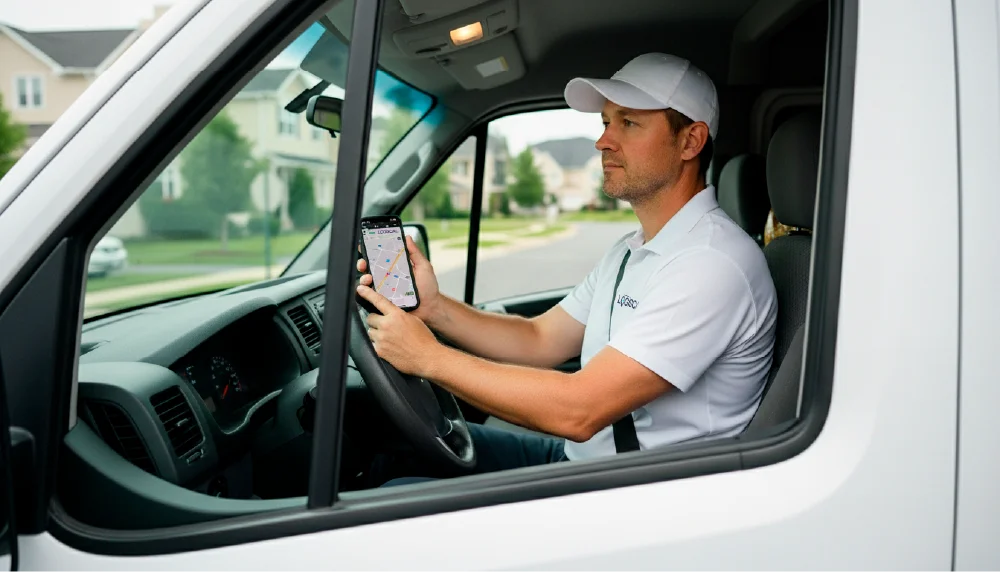
Consistent Routes Drive Scalable Pet Food Logistics
Growing pet food brands are moving away from ad hoc delivery planning and toward data-driven, repeatable routes. Instead of rebuilding routes every day, optimized delivery patterns improve over time through performance data and operational feedback.
This approach stabilizes delivery windows, controls fuel and labor costs, and improves fleet reliability even as subscription demand grows.
Fleet Management Built for Subscription Growth
Logiscal supports pet food logistics with systems designed for recurring routes and scalable growth. By combining route optimization with real-time visibility, operations teams gain better control over daily execution.
Logiscal helps teams:
- Build optimized, repeatable routes tailored to subscription delivery models
- Balance vehicle capacity and stop density to reduce strain and wasted miles
- Centralize fleet management and route visibility across regions
- Monitor delivery operations in real time to identify issues early
By aligning fleet management with delivery operations, pet food brands improve driver utilization and reduce operational friction as volume increases.

Scaling Pet Food Logistics Without Losing Control
As subscription-based pet food brands grow, logistics complexity increases rapidly. Managing higher order volumes, tighter delivery windows, and broader service areas requires more than basic route planning.
Scalable pet food logistics rely on systems that standardize execution while allowing flexibility. Centralized fleet management gives operations teams visibility into driver performance, route efficiency, and delivery exceptions across regions.
With consistent routing strategies, brands reduce last-minute changes, minimize fuel waste, and create predictable delivery experiences for customers. Over time, optimized routes improve stop density and vehicle utilization, lowering costs per delivery.
By investing in logistics technology built for recurring deliveries, pet food brands can scale confidently without adding operational friction. The result is a delivery network that supports growth while protecting service quality and customer trust.
Results of Optimized Pet Food Logistics
When pet food logistics are built on consistent routing and centralized oversight, businesses see clear results:
- More reliable on-time delivery for recurring orders
- Lower delivery costs per stop through route optimization
- Reduced workload for dispatch and support teams
- Greater confidence expanding into new markets
This operational consistency protects brand trust and supports long-term customer retention in a competitive subscription-based market.
Growth in pet food delivery requires logistics systems that scale without adding complexity. Logiscal helps businesses maintain control, consistency, and fleet reliability as demand increases.
See how Logiscal simplifies high-volume pet food logistics → logiscal.com