
Retail delivery in dense markets is rarely predictable. Traffic congestion, narrow delivery windows, and high customer expectations can quickly turn a well planned day into a costly scramble.
For retailers operating in high-pressure environments, smart routing is no longer a nice to have. It is the foundation for consistent execution and fleet reliability.
Retailers operating in logistical hotspots face a unique combination of constraints. Cities like Palo Alto, Seattle, Dallas, and Nashville combine heavy traffic, mixed residential and commercial zones, and customers who expect precise delivery timing.

Without structured route optimization, delivery operations in these markets suffer from:
- Wasted miles caused by congestion and inefficient sequencing
- Missed delivery windows during peak traffic hours
- Inconsistent ETAs that increase customer support volume
- Limited visibility once routes are in motion
Manual routing or static plans break down quickly when conditions change throughout the day.
Retail logistics is shifting away from reactive dispatching and toward adaptive, data driven planning. Instead of rebuilding routes daily or reacting to issues after they happen, operations teams now rely on smart routing models that adjust to real-world variables.
This shift allows retailers to:
- Maintain consistent routes even in high demand markets
- Improve stop density without overloading vehicles
- Respond faster to traffic or volume changes
- Keep delivery operations predictable as order volume grows
In dense urban and suburban zones, this level of control is what separates stable operations from constant firefighting.
Logiscal supports retailers operating in logistical hotspots by combining intelligent route planning with real-time operational oversight.
Routing built for real-world complexity
Logiscal accounts for stop density, delivery windows, order volume, and distance when designing routes. This helps retailers execute efficient paths that hold up even when conditions shift during the day.
Centralized fleet management and visibility
Operations teams can monitor route progress, vehicle performance, and delivery status from a single dashboard. This visibility reduces blind spots and enables faster decision making when exceptions arise.
Improved execution at scale
By standardizing route logic across regions, retailers maintain fleet reliability as they expand into new markets. Routes become repeatable, driver utilization improves, and delivery operations remain consistent despite higher volume.
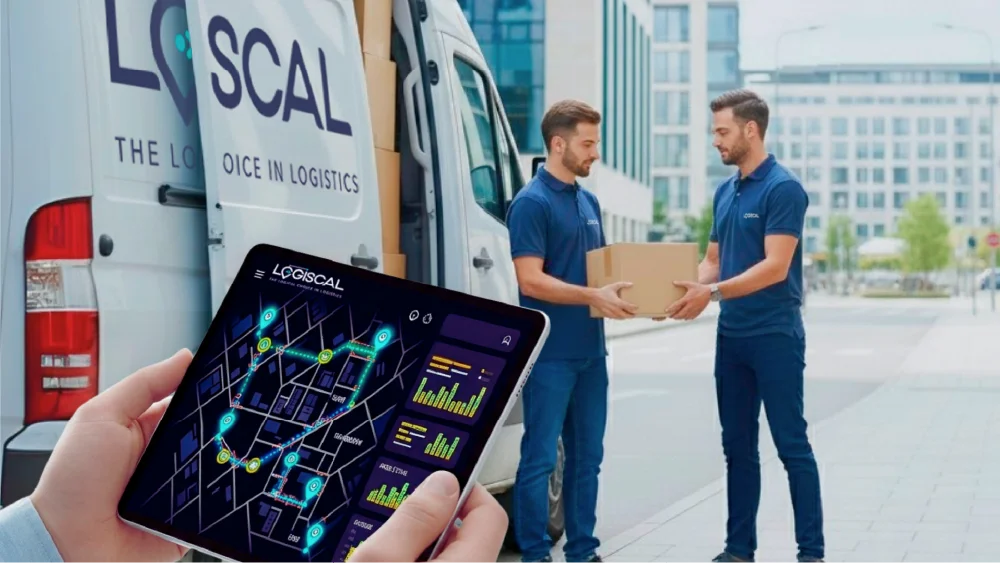
The result is tighter control over last-mile logistics in environments where precision matters most.
When smart routing is applied consistently in retail logistics, the operational gains are measurable:
- Higher on-time delivery rates in congested markets
- Lower cost per delivery through reduced mileage and idle time
- Fewer missed deliveries and support escalations
- More predictable workloads for delivery teams
- Stronger customer satisfaction driven by reliable ETAs
Retailers operating in fast paced regions gain the confidence to grow without sacrificing delivery quality.
Success in retail logistics hotspots depends on visibility, control, and reliable execution. Logiscal helps retailers navigate complex markets with smart routing and scalable fleet management.
Schedule a call with our retail logistics team → logiscal.com