
As delivery networks scale, smart fridge logistics has become one of the most demanding challenges for fleet teams. Missed windows, damaged units, or poor coordination quickly turn high-value deliveries into costly problems. Smart fridge delivery is pushing logistics operations to evolve, and precision now matters more than ever.
The rise of smart fridge logistics is transforming the way fleets operate. These connected units require not only careful handling but also precise coordination across multiple stops and time-sensitive routes. Traditional delivery methods, designed for standard freight or parcel shipments, are no longer sufficient when handling equipment that is heavy, delicate, and often scheduled for specific installation windows. Fleet managers must consider routing, real-time visibility, and driver workflows that reduce the risk of damage while maintaining efficiency. IoT-enabled monitoring provides actionable insights, from tracking arrival times to ensuring proper handling conditions, enabling teams to proactively address potential issues.
As businesses expand their smart fridge programs across offices, hospitals, universities, and hospitality venues, consistent and repeatable delivery processes become critical. Choosing a logistics partner capable of integrating data-driven planning with structured execution allows operations to scale confidently, minimize exceptions, and provide clients with predictable, high-quality service that keeps smart equipment functioning from day one.
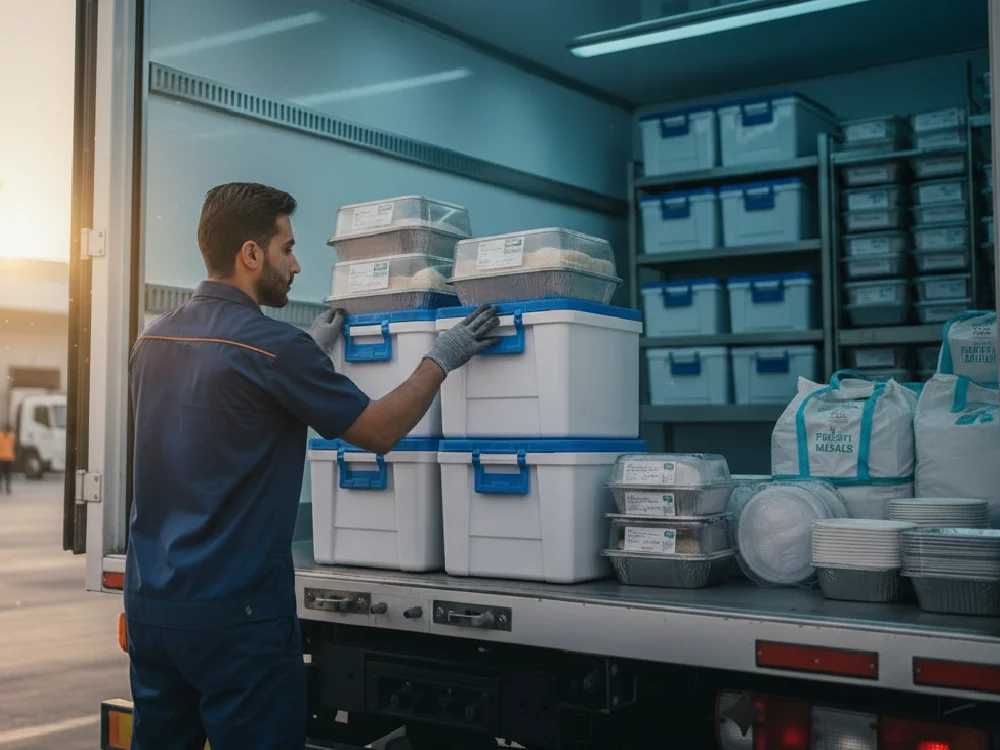
Why Smart Fridge Delivery Requires Specialized Logistics
Smart fridges are no longer niche equipment. They are now widely used across corporate offices, hospitals, universities, hospitality groups, and retail environments. These units support connected inventory, automated replenishment, and real-time usage data, but they also introduce new delivery complexity.
Unlike standard parcel freight, smart fridges are heavy, sensitive, and often tied to scheduled installation or onboarding. A late arrival can delay an entire rollout. Improper handling can damage sensors or internal systems. Limited visibility leaves operations teams reacting instead of preventing issues.
For fleets built around recurring or time-sensitive routes, these challenges expose gaps in planning, execution, and accountability.
How IoT and Data-Driven Planning Improve Delivery Accuracy
Delivery operations supporting smart equipment are shifting away from one-size-fits-all routing. Static schedules and manual dispatching cannot keep up with the coordination required for smart fridge logistics.
Modern fleets are moving toward data-driven planning, tighter route windows, and clearer driver expectations. IoT logistics is changing how teams think about visibility, not just knowing where a vehicle is, but knowing when a unit arrived, how it was handled, and whether delivery conditions stayed within acceptable thresholds.
This shift reduces surprises and creates operational confidence for both logistics teams and their clients.
Logiscal: Optimizing Complex,
Route-Based Smart Fridge Operations
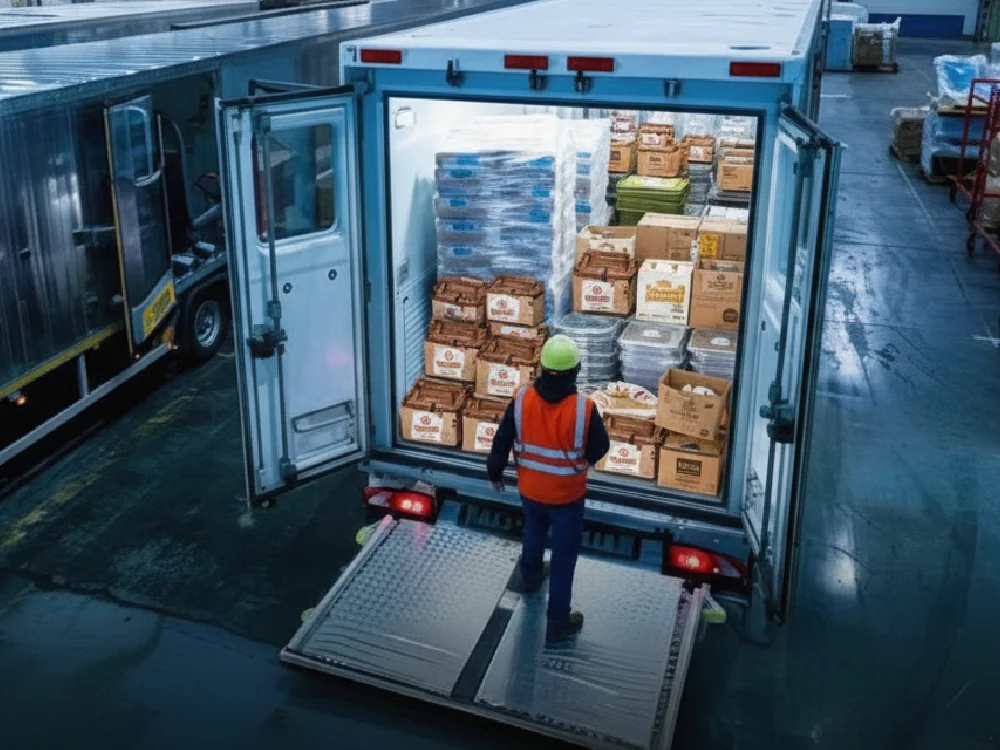
Logiscal is built for complex, route-based delivery environments where reliability is non-negotiable. Smart fridge delivery requires more than transportation; it requires structured execution.
Logiscal supports these operations through optimized route planning, driver workflows designed for equipment handling, and real-time delivery oversight. Routes are built to respect installation schedules and service level requirements. Drivers are guided through consistent processes that reduce handling errors. Operations teams gain clear visibility into delivery status across every stop.
By connecting planning and execution, Logiscal helps fleets improve on-time performance, reduce damage risk, and maximize driver utilization without adding operational overhead.
As part of the broader ecosystem of dlivrd Technologies, Logiscal integrates seamlessly with fulfillment and last-mile solutions when expanded coverage or flexible capacity is required.
When smart fridge delivery is done correctly, results are measurable. Routes run consistently. Installation teams show up on time. Equipment arrives intact and ready for use. Fleet managers see fewer exceptions and support tickets. Drivers operate with clearer expectations and less friction. Clients gain confidence that their rollout schedules will hold, even as volume scales across regions.
Smart fridge logistics become repeatable, predictable, and easier to manage. Smart equipment demands smarter delivery operations. If your business is scaling connected fridge programs or managing recurring high-value equipment routes, the right logistics partner makes the difference.
Explore smart equipment delivery solutions with Logiscal → logiscal.com